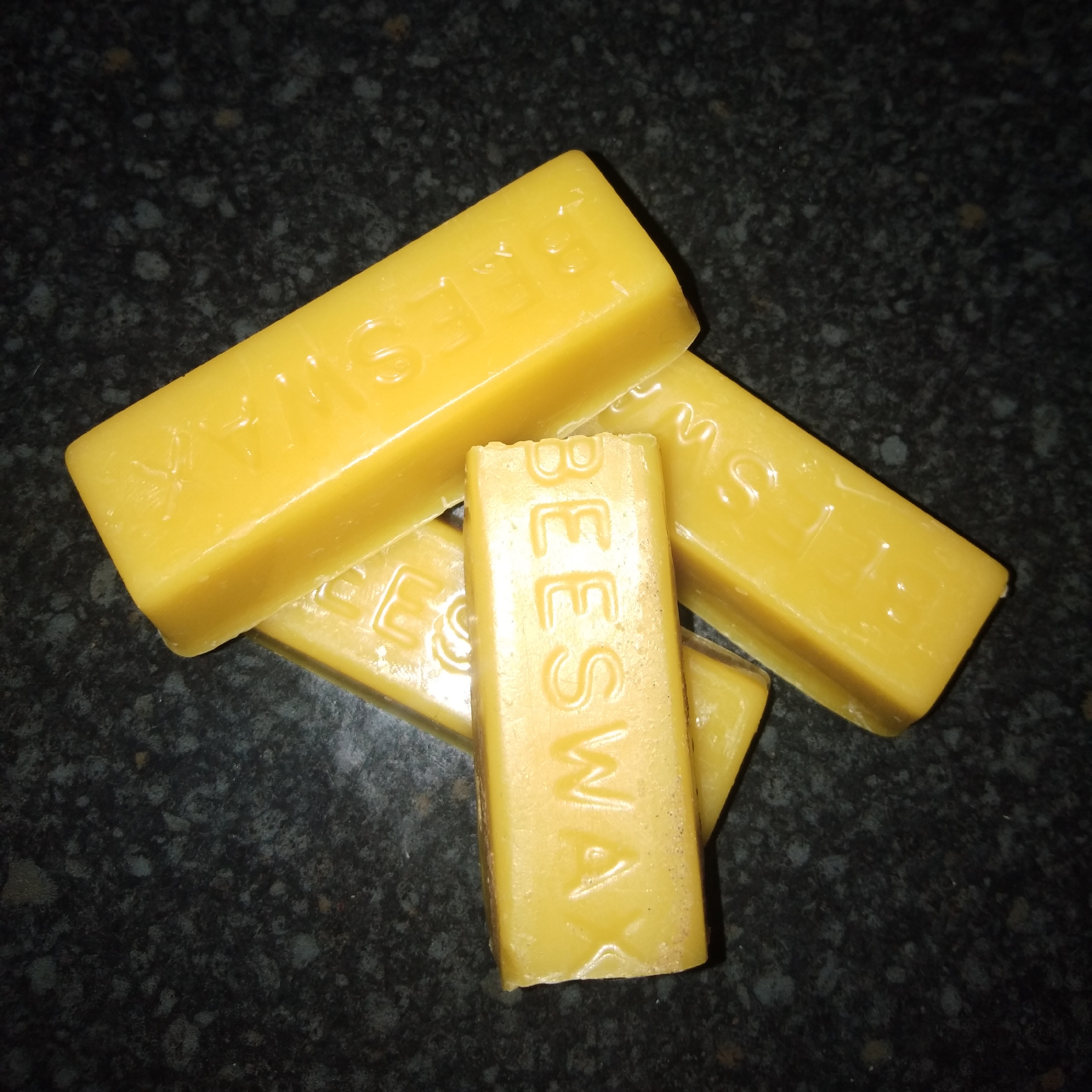
On a wet morning in October of 2024, Margaret Aldington began unpacking ten small tins of wax onto a long pine table in her workshop outside Hudson, New York. The tins came from England, France, Vermont, and one from a chandler in Maine she had used since 1991. She intended to settle, for her own satisfaction, a question she had been asked at least once a week for thirty years.
Which wax, on which wood, and why.
The question is older than it sounds. The first English furniture polishes were brewed at home from beeswax and turpentine in roughly equal parts. By the 1880s, a small industry had grown up around the recipe, with houses in Sheffield and Birmingham selling tinned compounds to households that no longer kept beeswax on hand. The basic chemistry has not changed much.
What has changed is the wood. Twentieth-century kiln-drying produces boards that accept wax differently from the air-dried stock that joiners used in 1850. A modern reproduction takes a finish the way a sponge takes water. An antique surface, oxidised and partially closed, resists.
Aldington's test was simple. She cut fifty offcuts each of American black walnut, English brown oak, and Cuban mahogany salvaged from a 1903 sideboard. Half of each batch she sanded to 320 grit. The other half she left in original surface, scrubbed only with naphtha to lift dirt. She then applied one of ten waxes to each pair and noted what happened over eighteen months.
The waxes ranged from a hard carnauba paste imported from a São Paulo supplier to a soft beeswax-and-turpentine compound made by a single craftswoman in Vermont. Three were British, including the well-known Briwax in its clear formulation. Two were French, including the Liberon black bison wax she had used for decades. One was a museum-grade microcrystalline made for the British Museum's conservation studios.
What she found, after eighteen months of monthly observation, was that the relationship between wax and wood is more particular than the trade lets on. The carnauba, expected to perform best on dense woods, dulled the walnut and brought up an unpleasant greenish cast on the mahogany. The Vermont beeswax, which she had dismissed as a beginner's product, performed beautifully on the unsanded oak — exactly the surface most home keepers actually have.
The microcrystalline did what its makers claimed. It built a barely-visible barrier, did not yellow, and resisted fingerprints. It also took three coats to develop any sheen at all, and a fourth to feel anything but plastic underhand.
Briwax behaved as expected on the sanded mahogany and badly on the unsanded oak, where it pulled up two centuries of dirt and left a streaky, uneven surface that took another day's work to even out. Aldington had warned a hundred clients away from Briwax on antique surfaces. She now has photographs to show them.
The French Liberon proved itself again on the walnut, where its slightly resinous warmth deepened the colour without darkening it. On oak it was less successful, settling into the grain and producing a striped effect that read, at three months, as deliberate, and at fifteen months as a mistake.
A small revelation came from the cheapest wax in the trial, a tinned paste from a hardware co-operative in coastal Maine that cost less than seven dollars a tin. On unsanded oak, applied thinly with a cotton cloth and buffed after twenty minutes, it produced a finish indistinguishable to the eye from waxes costing eight times as much. The chandler in Wiscasset who sells it would not disclose his formula, but Aldington's nose suggested beeswax, turpentine, and a small amount of pine resin.
The most expensive wax in the test, a museum-grade compound imported through a London supplier at sixty-two pounds the small jar, performed exactly as the museum-grade compound was meant to. It did everything carefully and nothing memorably. It is, Aldington concluded, the right wax for the wrong context. A museum wants invisibility. A private keeper of a Sheraton chair wants the chair to look like itself.
Two of the ten waxes she will not use again. One, an American product marketed for both furniture and floors, contained enough silicone to interfere with any future refinishing. The other, a French dark wax sold as suitable for antique oak, was so heavily pigmented that it functioned as a stain. Both, applied to private pieces, would produce work the next restorer would have to undo.
What the trial confirmed, more than any one product's merit, is that the wax is a small part of the finish and the surface preparation is most of it. The unsanded oak, scrubbed with naphtha and a soft brass brush before any wax went on, took the cheaper Vermont compound better than the sanded oak took the museum-grade. Restoration work, Aldington has long argued, is mostly the work of getting a surface ready to receive whatever you intend to put on it. The choice of wax matters. The choice of how to clean before waxing matters more.
She has hung the labelled offcuts on the workshop wall in two rows of fifteen. Visiting restorers stand in front of them for a long time. The conversation usually turns, in the end, to surface preparation.
Aldington keeps three waxes on her bench now. The Liberon for walnut, the Maine compound for oak, and the museum-grade microcrystalline for the pieces a client cannot tolerate the smell of turpentine in for a week. She has not bought Briwax in two years.
What this changes, for most readers, is small. The wax you have, if it is a beeswax-and-turpentine compound with no silicone in the ingredient list, is probably fine. The cloth you apply it with matters. The patience to buff in two stages, the first at twenty minutes and the second at twenty-four hours, matters more than the brand on the tin.
The eighteen months did not make Aldington a convert to any one product. They made her a slightly more sceptical reader of the trade's claims, and a slightly more generous one of the household keeper who applies what their grandmother used because their grandmother's furniture still looks like furniture.
There is, in the end, a quieter answer than the trial set out to give. The right wax for the right wood is the one applied thinly, on a clean surface, by someone willing to buff it twice.
Filed under