Department
Markings
Sheffield silver, English pewter touch marks, Wedgwood date codes, the alphabet of provenance.
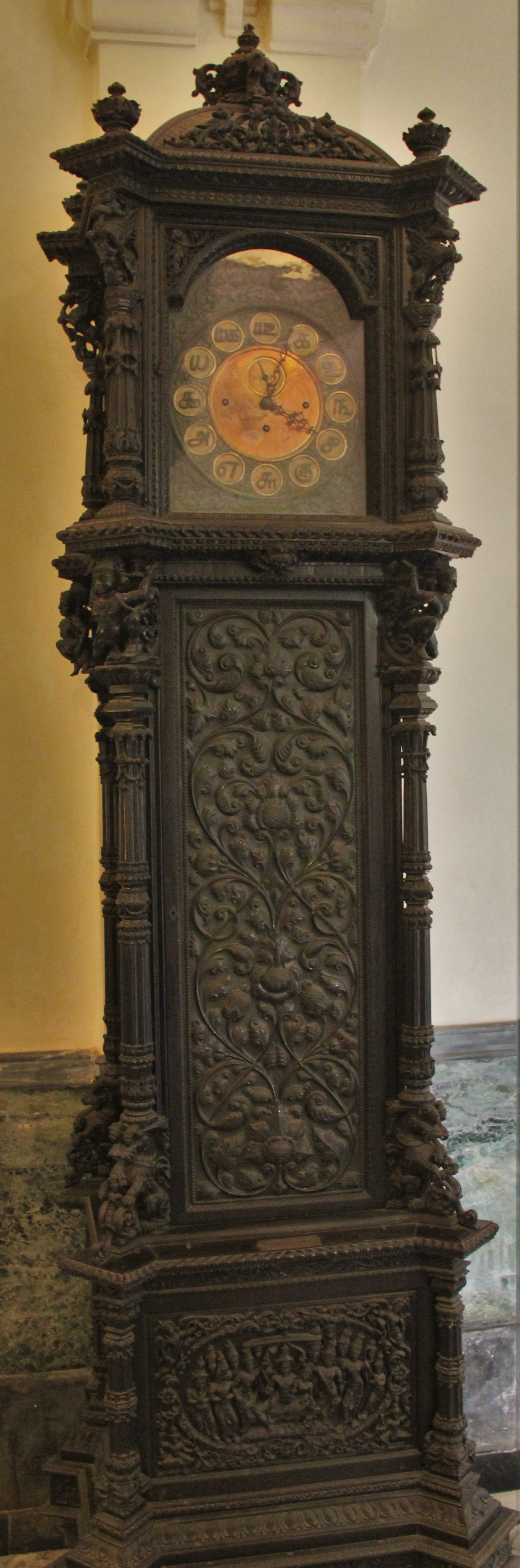
Longcase Clock Dials and Movements: Reading the Maker's Mark
An eight-day longcase clock arrived at Ellis Mauro's Berlin workshop in March, sent down from a private estate in Lübeck. The brass dial bore the engraved name Thomas Mudge, London; the movement, on inspection, told a more complicated story.
Irish Silver Marks: Dublin's Harp, Cork's Castle and Ship
A Dublin silver beaker dated 1796 came up at a small Galway auction last June, marked with the crowned harp of the Dublin assay office, a maker's mark JL for John Locker, and a small Hibernia figure that fixes its origin beyond doubt.
Victorian Electroplate Marks: What the EPNS Stamp Really Tells You
An Edwardian tea pot from a Bristol estate sale, picked up for twenty-two pounds in February, carried the impressed letters EPNS beneath the maker's mark of James Dixon & Sons. The four letters do not denote silver, and yet the piece is worth more than its weight in silver would suggest.
The Anchor and the Bow: Chelsea Porcelain Marks, 1745 to 1769
A small Chelsea cup, decorated with a kingfisher on a branch, was offered at Bonhams last March with a presale estimate of seven hundred pounds. The single mark on its underside — a small red anchor, no more than three millimetres tall — pushed the eventual hammer price to eleven thousand.
Porcelain Marks: Meissen, Sèvres, and Worcester, Compared
Three porcelain plates lie side by side on a felt-covered table in Hester Lloyd's office in Hudson, New York. The first carries crossed swords in underglaze blue. The second, two interlaced Ls. The third, a crescent moon. Each mark is older than two centuries.
Wedgwood Date Codes, 1860 to 1929: A Working Guide
A blue jasperware vase came into Beatrix Joost's attention last May, marked on the underside with the impressed letters WED beside three smaller capitals, M, B, and F. The three letters, read in sequence, place the vase to August 1881 with no ambiguity.
English Pewter Touch Marks of the Eighteenth Century
The London Pewterers' Company kept a touchplate at Pewterers' Hall on Lime Street from 1668 until the Hall was destroyed in the Blitz in 1940. The touchplate was a flat sheet of pewter on which each newly admitted master struck his personal mark.
Sheffield Silver Hallmarks: The Year Letters, Read Patiently
A page from the Sheffield Assay Office's 1899 ledger sits open on Cyrus Peake's bench, and the small Gothic capital P stamped beside the crown explains, by itself, why a tea caddy turned up in a Stockport house clearance last March.